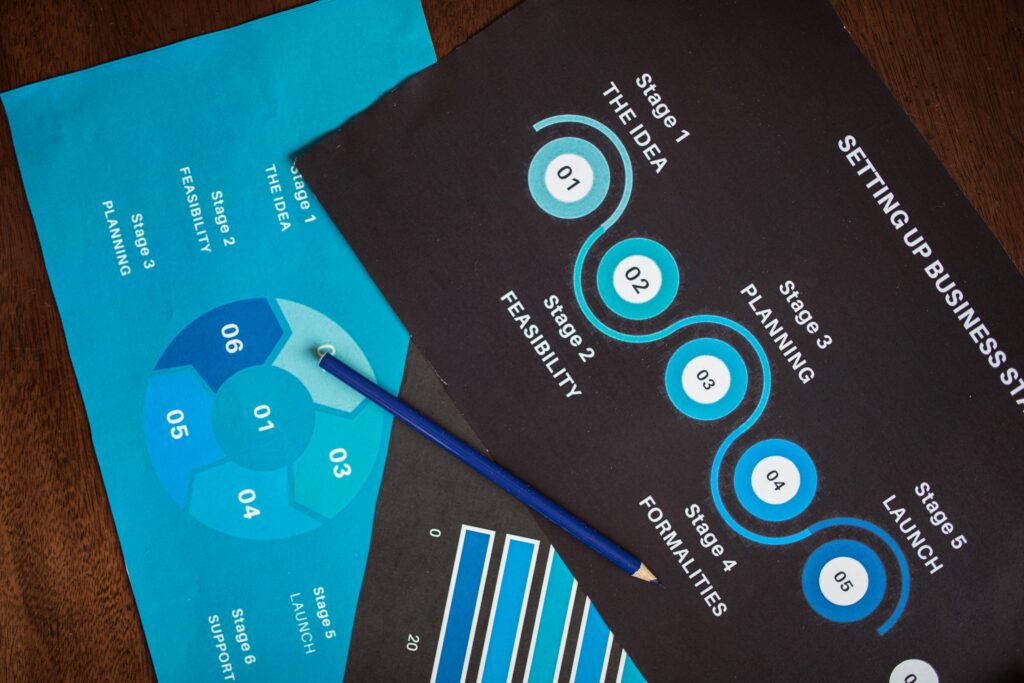

Understanding Agile Phase Gate
Framework Fundamentals
Agile Phase Gate combines iterative development sprints with structured decision points, enabling rapid prototyping while ensuring strategic alignment. This hybrid approach breaks product development into phases with clear criteria for advancement.
Key Benefits
- Faster iteration through agile sprints enables rapid feedback and learning
- Strategic oversight through gates ensures business objective alignment
- Risk mitigation through early issue identification and resolution
- Stakeholder confidence through transparent progress tracking
Implementation Structure
Phase Definition
Each phase represents a significant development milestone with specific deliverables and success criteria. Common phases include:
- Ideation Phase: Concept validation and initial market research
- Development Phase: MVP creation and iterative improvement
- Validation Phase: Market testing and customer feedback integration
- Launch Phase: Full market introduction and scaling
Gate Criteria
Gates serve as decision points where cross-functional teams review progress against predetermined criteria. Effective gate criteria include:
- Technical readiness and quality standards
- Market validation and customer feedback
- Financial projections and resource requirements
- Competitive landscape and timing considerations
Agile Integration
Sprint Planning Within Phases
Each phase contains multiple agile sprints, allowing for rapid iteration and continuous improvement. Sprint goals align with phase objectives while maintaining flexibility for learning and adaptation.
Continuous Feedback Loops
Regular sprint reviews provide ongoing feedback, while gate meetings offer strategic checkpoints. This dual feedback system ensures both tactical execution and strategic direction remain aligned.
Stakeholder Management
Cross-Functional Gate Teams
Gate reviews involve representatives from product, engineering, marketing, sales, and executive teams. This ensures comprehensive evaluation and buy-in across all functional areas.
Decision-Making Processes
Clear criteria and data-driven decisions reduce subjective bias in gate reviews. Teams use KPIs and metrics to inform go/no-go decisions at each phase.
Tools and Metrics
Progress Tracking
Digital dashboards track both sprint-level progress and phase-level milestones. Key metrics include development velocity, quality indicators, and customer feedback scores.
Risk Assessment
Regular risk reviews identify potential issues early, allowing for proactive mitigation strategies. Common risk categories include technical, market, competitive, and resource risks.
Common Implementation Challenges
Avoiding Waterfall Regression
Maintain agile principles by keeping gates lightweight and focused on strategic decisions rather than detailed approvals. Avoid excessive documentation that slows iteration cycles.
Balancing Speed and Control
Set appropriate gate frequencies that provide oversight without hampering development velocity. Typically, gates align with major development milestones rather than sprint boundaries.
Success Factors
Clear Phase Definitions
Well-defined phases with specific objectives and success criteria enable effective gate decisions. Each phase should have measurable outcomes that justify advancement.
Stakeholder Alignment
Regular communication and involvement of all stakeholders ensures gate decisions reflect business priorities. Transparent criteria and decision rationale build trust and buy-in.
Conclusion
Agile Phase Gate methodology provides the structure needed for strategic oversight while preserving the speed and flexibility of agile development. This balanced approach helps product teams deliver better outcomes while maintaining stakeholder confidence and business alignment