
Cross-border B2B e-commerce — selling to business buyers in Malaysia, Indonesia, Thailand, and beyond — is a material growth lever for Singapore product companies, yet most approach it reactively. This guide covers the structured framework for entering B2B cross-border markets: buyer identification, payment infrastructure, logistics, and the regulatory considerations specific to Southeast Asia.
Why Singapore is the Right B2B Cross-Border Launchpad
Singapore’s position as a regional financial and logistics hub gives product companies structural advantages for B2B cross-border operations: Changi Airport with same-day freight connections to all ASEAN capitals; USD, SGD, and multi-currency banking infrastructure; free trade agreements covering ASEAN, Australia, the EU, and the US; and a legal system that B2B buyers across the region treat as a trusted contracting jurisdiction. These advantages lower the cost and risk of the first cross-border order compared to entering from, say, a factory in Guangzhou or a warehouse in Jakarta.
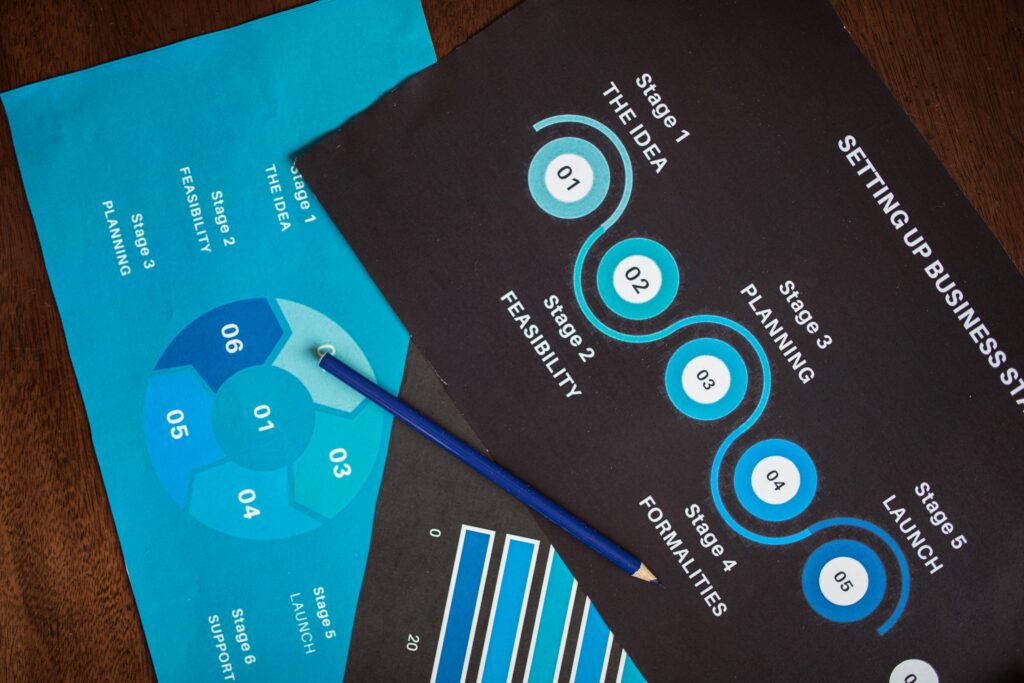
The 5-Step B2B Cross-Border Market Entry Framework
Step 1: Buyer Identification and Qualification
B2B cross-border buyers are found through: LinkedIn Sales Navigator (filter by industry, country, company size, and job title); industry trade directories (e.g., GlobalSources, Made-in-China for hardware; specific sector directories for F&B, MedTech, industrial); regional trade shows attended by buyers (ProPak Asia, Cosmoprof Asia, OSEA); and distributor network referrals from existing Singapore distribution partners who have regional reach. Qualify before investing in the relationship: confirm the buyer’s purchasing authority, typical order volume, and whether they have an existing supplier for your category.
Step 2: Pricing for Cross-Border B2B
Cross-border B2B pricing must account for: import duties in the buyer’s country (Malaysia GST 6–10%, Indonesia import duties 5–40% depending on HS code, Thailand 5–30%); freight and insurance (typically 3–8% of shipment value for ASEAN); payment risk premium for first-time buyers (offer letter of credit or prepayment for initial orders, then move to 30–60 day terms once relationship is established); and currency hedging cost if you are invoicing in a currency other than SGD.
Step 3: Payment Infrastructure
For B2B cross-border, the payment stack should include: Wise Business or OFX for cost-efficient FX transfers; a multi-currency business account (DBS Multi-Currency Account, OCBC Global Business Account, or Aspire for startups); trade finance facilities from DBS, OCBC, or UOB if you need to bridge the gap between purchase order and payment; and Stripe or PayPal for smaller B2B buyers who prefer card or digital payment over bank transfer.
Step 4: Logistics and Fulfilment
For first cross-border B2B shipments: air freight for orders under 100kg (Ninja Van B2B, DHL Express, FedEx); sea freight for consolidation once volumes justify it (typically 300kg+); 3PL partners with regional reach — aCommerce, Locad, and Anchanto all operate across multiple ASEAN markets and can hold cross-border inventory regionally. For the first 3–5 orders with a new market, use DDP (Delivered Duty Paid) terms to remove customs complexity for the buyer. Once volumes grow, negotiate DAP (Delivered at Place) terms to share the duty responsibility.
Step 5: Regulatory and Compliance Basics
Each ASEAN market has category-specific requirements. For physical products entering Malaysia: Bumiputera distributor requirements may apply in certain tender categories; SIRIM certification required for electrical products. For Indonesia: SNI certification for electronics, BPOM for food, supplements, and cosmetics — expect 6–18 months for BPOM registration. For Thailand: FDA registration for health products, TISI mark for electronics. Assumption: confirm specific requirements with a local regulatory consultant before committing inventory to a new market.
The First Cross-Border B2B Order: What Success Looks Like
A successful first cross-border B2B order is one where: the buyer receives what they ordered, on time, without customs delays; the economics work (you made margin after all cross-border costs); and the relationship is strong enough for a second order discussion. Do not optimise for volume on the first order — optimise for a clean, trust-building transaction that opens the door to a long-term distribution relationship.
The 6DOF Product Marketing Consulting service includes cross-border market entry strategy and channel development for Singapore product companies expanding regionally. Workshop modules on GTM for ASEAN markets are available for leadership teams.
Previous: AI Demand Forecasting →
Next: Content-First Launch: 50 Assets →